How Senior Remote Monitoring Prevents Rehospitalization
Discover how continuous senior remote monitoring during the critical 30-day post-discharge window catches complications early and reduces hospital readmissions.
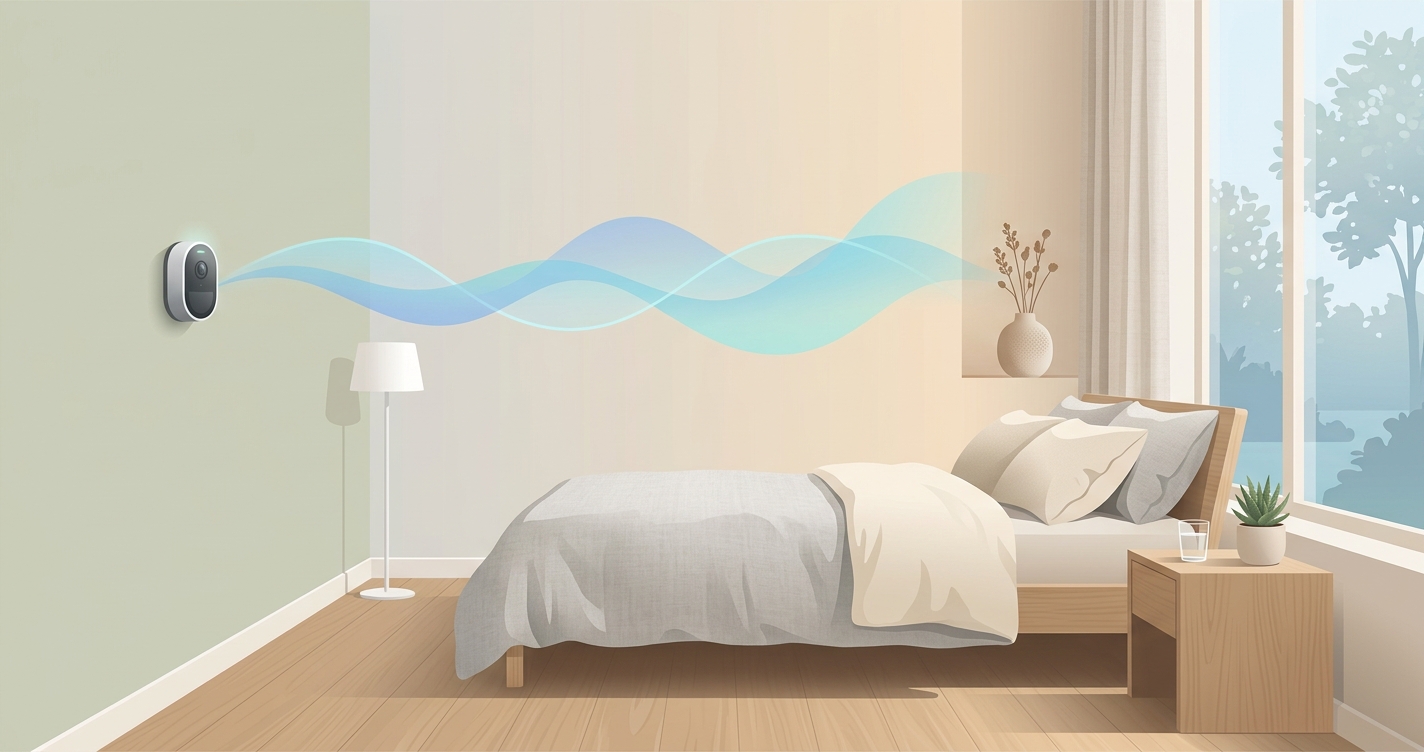
The 30-day window following a hospital discharge is highly complex to manage for older adults and their care teams. Once a patient transitions back home or into a senior living community, clinical visibility typically drops to near zero. Home health agencies and Program of All-Inclusive Care for the Elderly (PACE) organizations are often forced to rely on self-reported symptoms, caregiver observations, or intermittent nursing visits. This fragmented approach leaves significant gaps in observation where minor complications can quickly escalate into severe medical emergencies. Implementing senior remote monitoring bridges this critical gap, providing continuous physiological oversight without requiring the older adult to actively manage medical equipment. By capturing subtle physiological shifts early, healthcare providers can intervene proactively before a costly and disruptive hospital readmission becomes inevitable.
"Remote patient monitoring programs can reduce the risk of hospital readmissions for high-risk older adults by up to 76 percent, significantly lowering the clinical and financial burden associated with the 30-day post-discharge window."
- Analysis of Medicare remote monitoring outcomes by the University of Pittsburgh Medical Center, 2023
The mechanics of senior remote monitoring post-discharge
When older adults return home after a major health event, their physiological baseline is highly unstable. Changes in medication regimens, the stress of the hospital environment, and a weakened immune system all contribute to an elevated risk of complications. A mild infection or an exacerbation of congestive heart failure might not manifest visible physical symptoms until the condition is severe. Traditional reactive care models frequently miss these early warning signs, often resulting in an emergency department visit that could have been avoided.
By integrating senior remote monitoring into transitional care management, clinical teams transition from a reactive posture to a proactive strategy. Continuous observation allows for the precise tracking of minute changes in resting heart rate and respiratory effort. These physiological markers are highly sensitive indicators of physical distress. For example, a gradual increase in resting respiratory rate over 48 hours is often the first sign of an impending respiratory infection or fluid overload, appearing long before a patient complains of shortness of breath.
Detecting these micro-trends early is the primary defense against hospital readmissions. A 2024 University of Michigan study noted that hospitalizations dropped by 59 percent in the six months following the introduction of digital oversight programs for high-risk patients. When a home health nurse can see a patient's vital sign trends deviating from their established baseline, they can dispatch a team member for an in-person assessment, adjust medications, or consult a physician immediately.
Overcoming device fatigue to improve readmission statistics
The clinical logic behind post-discharge observation is sound, but traditional implementation often fails at the point of the patient. The success of any digital health program relies entirely on patient compliance. When older adults are asked to wear restrictive devices, operate complicated smartphone applications, or manually log their vital signs, adherence rates drop significantly.
Device fatigue is a known barrier in older populations. Wearable technology requires regular charging, correct placement, and internet pairing. For individuals dealing with cognitive decline, neuropathy, or general frailty, these requirements are insurmountable. Furthermore, tight wristbands and chest straps can cause skin irritation or pressure ulcers in older adults with fragile skin. When patients remove these devices due to discomfort or confusion, the data stream stops, and the clinical team is left blind.
To solve this compliance issue, the industry is moving toward ambient, contactless solutions. Camera-based optical sensors can measure changes in light reflection on the skin to extract accurate vital signs without ever touching the patient. This non-intrusive approach ensures a continuous flow of data without asking the older adult to change their daily habits.
| Feature | Traditional Wearable Devices | Camera-Based Contactless Monitoring |
|---|---|---|
| Patient Compliance | Low to moderate. Requires daily adherence, charging, and correct placement. | High. Requires zero active participation from the user once installed. |
| Physical Intrusiveness | High. Can cause skin irritation, discomfort, and disruption of daily habits. | Zero. Operates passively in the background without physical contact. |
| Suitability for Dementia | Poor. Devices are frequently removed, lost, or damaged by the patient. | Excellent. No physical components for the patient to manipulate or remove. |
| Data Collection | Episodic or continuous, depending on battery life and user compliance. | Continuous and ambient, capturing natural physiological baselines over time. |
Industry applications for senior remote monitoring
Different sectors of the post-acute care continuum face unique challenges when attempting to reduce 30-day readmissions. Contactless observation technologies provide tailored benefits across these various environments.
Empowering home health agencies
Home health agencies are currently navigating severe staffing shortages alongside increasingly stringent outcome requirements from the Centers for Medicare and Medicaid Services. Sending a registered nurse to manually check vital signs every single day is logistically impossible. Passive observation technology allows agencies to monitor hundreds of patients simultaneously from a central dashboard. By utilizing intelligent triage systems, clinical managers can identify which specific patients are showing signs of physiological decline and prioritize those individuals for immediate in-person visits, optimizing limited nursing resources.
Strengthening PACE programs
The PACE model operates on a capitated payment structure, meaning the organization assumes full financial risk for the healthcare needs of its participants. Any hospital admission or emergency department visit directly impacts the financial viability of the program. Because PACE is designed to keep nursing home-eligible individuals safely in their communities, continuous physiological observation is a highly effective tool. It allows PACE interdisciplinary teams to monitor participants passively in their homes, catching urinary tract infections, respiratory issues, and cardiac events before they necessitate acute hospitalization.
Enhancing senior living transitions
When a resident returns to an assisted living or independent living facility from a skilled nursing facility, the transition period is delicate. Senior living operators face immense pressure from families and healthcare partners to keep these residents stable. Implementing passive observation in the resident's room provides an extra layer of clinical security. It allows the facility's wellness staff to monitor the resident's recovery without being overly intrusive, promoting independence while actively managing readmission risks.
Current research and evidence
A growing body of peer-reviewed literature supports the transition toward digital, continuous monitoring methods for reducing hospital utilization among older adults.
- A 2023 analysis by the University of Pittsburgh Medical Center found a 76 percent reduction in hospital readmissions for Medicare participants actively engaged in remote monitoring protocols.
- The National PACE Association reports that the PACE care model reduces hospitalizations by 24 percent compared to traditional Medicaid nursing home care, a figure that improves significantly when continuous digital oversight is introduced.
- A 2025 multicenter retrospective observational study focusing on older adults with polypathology utilizing the EPOCA remote monitoring system demonstrated a 48 percent decrease in hospitalizations and emergency department visits.
- Researchers publishing in 2024 concluded that camera-based vital sign extraction successfully measures respiratory rate and heart rate fluctuations, offering a highly usable and accurate alternative for individuals who cannot or will not manage attached sensors.
The future of senior remote monitoring
Looking forward, the standard of care for aging in place and post-acute recovery will shift decisively away from intrusive hardware. As camera-based vital sign extraction technology matures, the reliance on manual blood pressure cuffs, pulse oximeters, and chest straps will decline. The focus of healthcare innovation will move from basic data collection to advanced predictive analytics.
Future systems will automatically analyze micro-trends in resting heart rate and respiratory effort, using machine learning to flag potential deteriorations days before they require acute medical intervention. This evolution will allow healthcare systems to manage much larger patient populations efficiently, ensuring that clinical resources are directed precisely to those exhibiting the earliest, invisible signs of instability. Ultimately, the integration of ambient sensors into the home environment will make post-discharge observation a seamless, invisible part of daily life.
Frequently asked questions
Q: How does contactless monitoring actually work for seniors? A: Contactless monitoring uses standard optical sensors and sophisticated camera lenses to measure microscopic changes in light reflection on the human skin. This technology, known as remote photoplethysmography, extracts vital signs like heart rate and respiratory rate purely through video analysis, requiring no physical devices on the patient's body.
Q: Why are 30-day readmissions a primary focus for healthcare providers? A: The Centers for Medicare and Medicaid Services financially penalizes healthcare organizations for excessive 30-day hospital readmissions. This makes the immediate post-discharge window a critical period for both clinical outcomes and financial performance.
Q: Can continuous monitoring replace home health nursing visits? A: No. Remote observation is designed to supplement in-person care, not replace it. It acts as a continuous early warning system that tells clinical teams exactly when and where a home health nurse needs to be dispatched, ensuring care is timely and data-driven.
Q: Is patient privacy compromised by camera-based health tracking? A: Modern health tracking systems process video data locally on the device to extract numerical vital sign data, rather than recording or transmitting a continuous video feed to the cloud. This edge-computing approach ensures strict compliance with health privacy regulations.
The ability to observe physiological trends without burdening the patient is fundamentally transforming how post-acute care is delivered. Circadify is addressing this space by offering continuous, non-intrusive observation technologies that require no wearables or active participation from the user. For senior care programs aiming to enhance their transitional care strategies and keep vulnerable residents out of the hospital, explore how contactless solutions are redefining the standard of care by visiting the Circadify hospital-at-home solution.