Elderly Vital Signs at Home: What's Normal by Age?
A comprehensive guide to understanding baseline vital signs for seniors, including age-related changes in heart rate, respiratory rate, and blood pressure.
Insights on health technology, vitals monitoring, and wellness from the UseVitalView team.

A comprehensive guide to understanding baseline vital signs for seniors, including age-related changes in heart rate, respiratory rate, and blood pressure.

An analysis of the critical vital sign and behavioral shifts in octogenarians living alone, and how passive monitoring supports proactive care.

A head-to-head comparison of medical alert systems and remote health monitoring, helping families and care providers choose the right senior safety technology.

Explore how non-intrusive elderly care and remote photoplethysmography provide continuous vital sign monitoring while preserving resident privacy and dignity.

Learn the subtle signs an elderly parent's health is declining at home, what research shows about early warning signs, and how daily monitoring catches decline early.

A decision-stage guide to PACE program health tech in 2026: which monitoring tools fit the capitated model, what to fund, and how to evaluate ROI.
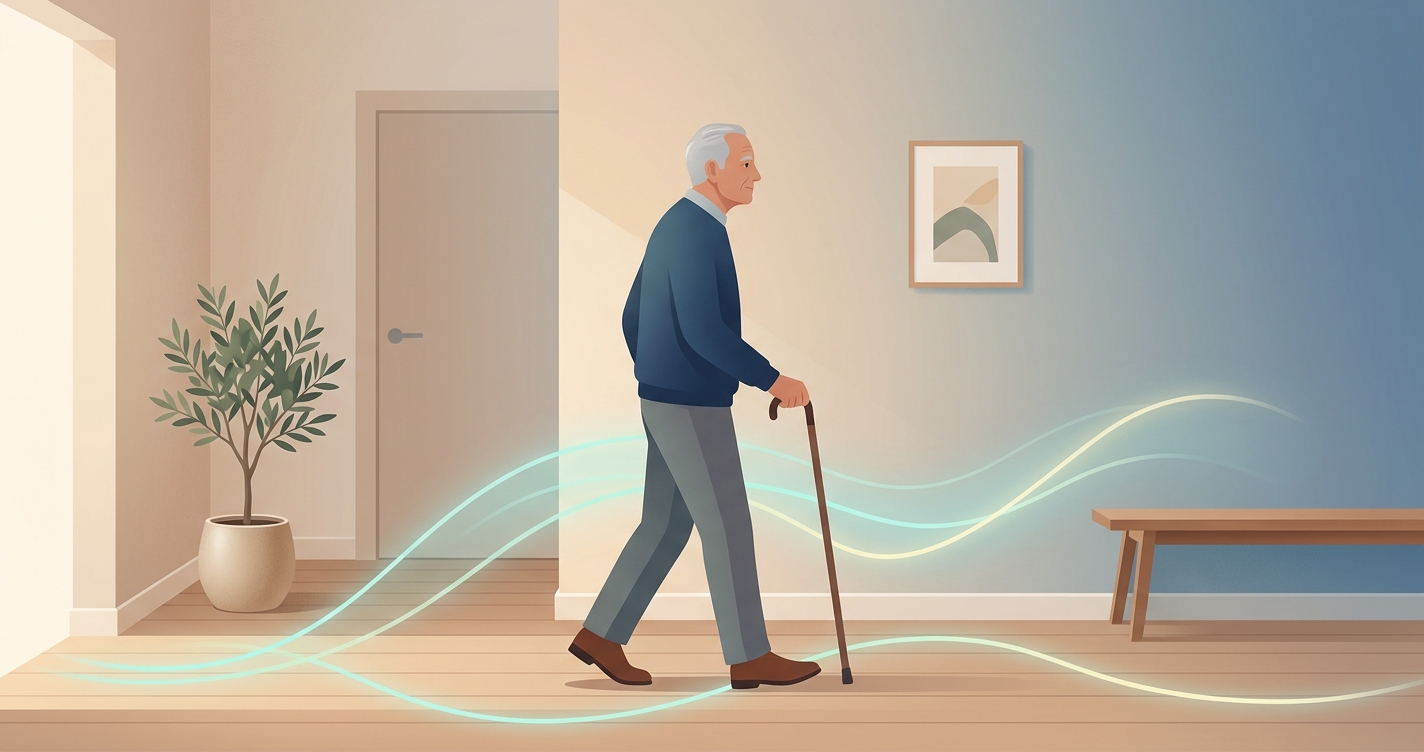
A 2026 buyer's guide to the best senior monitoring system options for family caregivers, comparing wearables, sensors, alert buttons, and contactless cameras.
A practical guide for families on how to track elderly vital signs at home, including heart rate, breathing and sleep, without a device a parent refuses to wear.

A 2026 senior remote monitoring cost breakdown covering subscription fees, equipment, and reimbursement so operators and agencies can budget accurately.

A research overview of aging in place technology, from smart sensors to contactless monitoring, and how 9 categories of tools help seniors stay home safely.

PACE program health tech can sustain participant engagement and daily health visibility without adding nurses or aides. A look at the operational evidence.

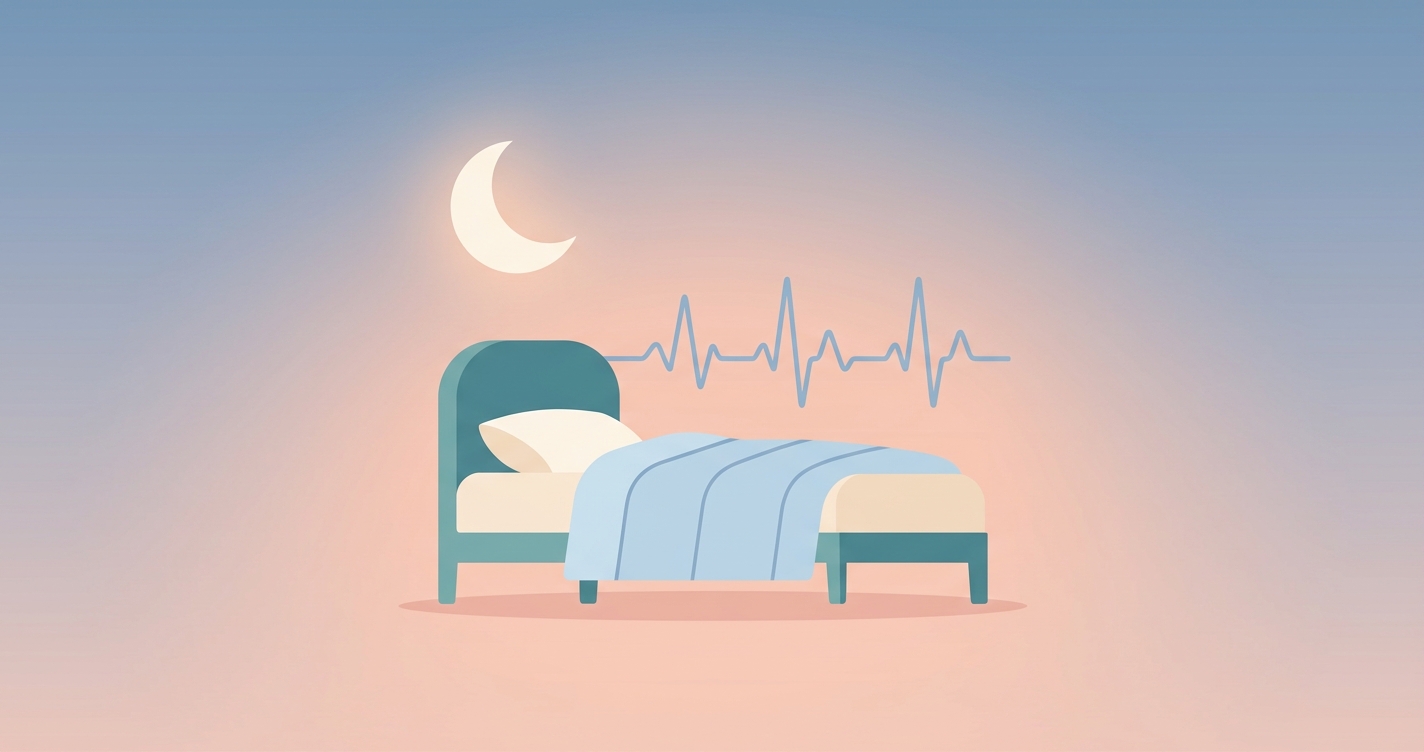
How sleep data reveals deeper health insights for seniors, and why elderly vital signs at home during the night are a window into hidden change.

How senior living operators can deploy non-intrusive elderly care that protects resident dignity, earns acceptance, and avoids the surveillance backlash.

Persistent tiredness in a senior can signal underlying illness. Learn how tracking elderly vital signs at home helps caregivers catch problems early.

How remote and contactless monitoring gives home health agencies continuous, objective health data on patients without scheduling additional in-person visits.

When should families adopt aging in place technology for parents? A research look at the case for proactive planning before a health crisis forces the decision.

A research look at how senior remote monitoring detects sudden nocturnal breathing changes and alerts family caregivers and home health teams in time.

How home health agencies and PACE programs use aging in place technology and daily vitals data to prove they prevent rehospitalizations for clients.

A research look at senior remote monitoring through contactless cameras that track heart rate all day without wearables, buttons, or compliance struggles.

How non-intrusive senior living health monitoring respects resident privacy while supporting safety, with research on acceptance, consent, and contactless technology.

How overnight falls and long lies threaten senior living residents, and why timely senior living health monitoring is becoming an operational priority.

How PACE program health tech detects health decline early through daily vital sign trends, reducing avoidable hospitalizations among frail participants.

How PACE programs use health tech for daily participant monitoring, care coordination, and hospitalization prevention. A field guide for program directors.

How contactless monitoring tracks elderly vital signs at home overnight, giving family caregivers and senior living operators a window into sleep quality without wearables.

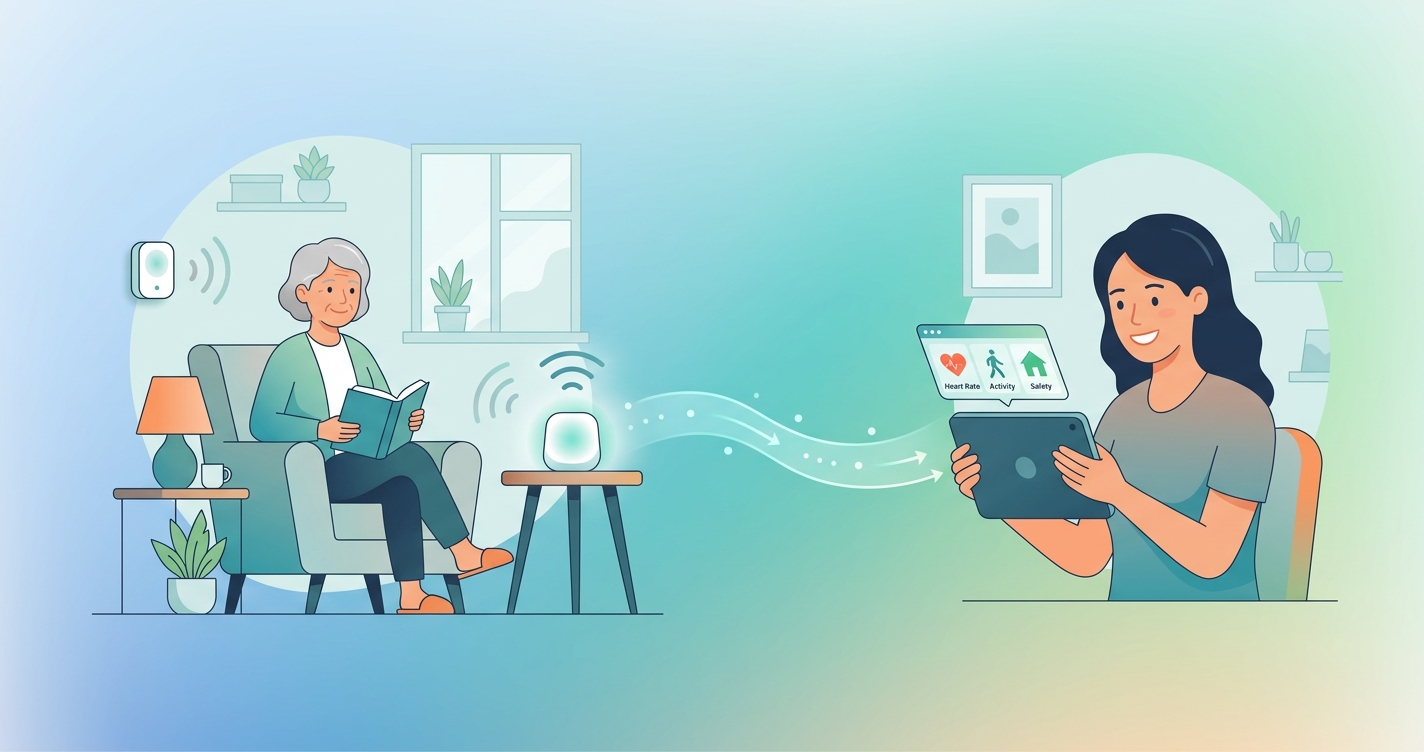
Non-intrusive elderly care lets families confirm an aging parent is safe at home without daily phone checks or overbearing surveillance. Here is how it works.

Can you monitor an elderly loved one's breathing at night from your phone? A research look at contactless elderly vital signs at home and what the data shows.

How aging in place technology turns continuous, non-invasive health data into clear trends families can review before a parent's next doctor's visit.

Passive non-intrusive elderly care can detect distress when a senior cannot press an alert button. A research look at why buttons fail and what replaces them.

A research-based look at how families monitor elderly vital signs at home using non-intrusive camera technology, no wearables or buttons required.

Senior remote monitoring can detect subtle gait and activity changes that precede falls, giving family caregivers early warning and peace of mind from a distance.

Learn about the challenges and solutions for long-distance caregiving. Explore how new technology allows you to monitor a parent's health without wearables.

Millions of caregivers fear an elderly emergency no one notices at home. Learn the risks of 'long lies' after a fall and how passive monitoring can provide early alerts.

A research-based look at the risks of seniors living alone, from falls to social isolation, and how non-intrusive technology can support independence safely.
Frustrated that an elderly parent refuses to wear a health tracker? Discover the real reasons for wearable abandonment, from device burden to discomfort, and learn how camera-based monitoring can help.

Discover the key signs a senior needs more care at home, from changes in daily habits to subtle vital sign trends that flag declining independence.

Learn how to monitor an aging parent without a wearable device. Explore passive, camera-based technology for non-intrusive daily health checks and peace of mind.

Explore the subtle indicators of functional decline in seniors living alone and learn how non-intrusive monitoring technology can help ensure their safety.

Learn how home health agencies can leverage contactless vitals data to improve the accuracy and efficiency of OASIS data collection for better patient outcomes.

A research-style analysis of the causes of dizziness when standing in seniors, known as orthostatic hypotension, and its connection to fall risk. Learn how trend monitoring can help.

Explore passive health monitoring for seniors, where camera-based vitals are captured without wearables. Learn how rPPG technology works for senior care.

Learn how family caregivers and home health nurses use contactless monitoring to bridge communication gaps, share objective data, and improve senior care outcomes.

Continuous monitoring of daily vitals provides a wealth of objective data. Here are five signs a senior needs higher-level care that this data can reveal.

Analysis of vital sign trends offers a significant predictive window into hospitalization risk for seniors aging in place. Learn the key trends for providers.

PACE programs that integrate daily contactless monitoring can significantly reduce emergency department visits by enabling proactive, data-driven care for seniors.

A guide for senior living operators on building a data-driven case for technology investment to present to ownership groups, focusing on financial ROI.

Establishing a daily health check routine for seniors with cognitive decline is crucial for early intervention. Learn how technology can support this process.

A research-style report on the senior living health monitoring technologies operators are deploying now to prepare for 2026's challenges.

A comparison of wearable devices and camera-based monitoring for elderly patients, focusing on the critical issue of patient compliance and its impact on data reliability.

As senior care organizations grow, scaling monitoring technology across multiple facilities becomes a critical challenge. Learn how to achieve consistency and efficiency.

Learn effective strategies for introducing health technology to reluctant seniors, focusing on building trust, choosing user-friendly devices, and demonstrating clear benefits for aging in place.

A research-style report on the growing use of remote monitoring technology for seniors with chronic heart conditions, examining the benefits for senior care providers.

Analyzing the return on investment for health monitoring in senior living, including financial, operational, and clinical benefits for operators and residents.

A deep dive into the investment trends shaping the future of senior care technology, focusing on the solutions attracting venture capital ahead of 2026.

Explore how contactless monitoring technology is transforming hospice care at home, enhancing patient comfort and supporting caregivers without intrusive wearables.

A research-style report on the importance of monitoring medication effects in elderly patients, focusing on non-intrusive technologies for senior living operators and home health agencies.

The market for aging in place technology is evolving far beyond simple alert buttons. Discover the passive, non-intrusive technologies available to care providers.

Senior care operators are using robust health data to meet regulatory demands and prove their commitment to quality. Discover the key metrics and technologies.

A research-backed guide for caregivers on establishing an effective daily vitals routine for seniors, including what to track, the best monitoring methods, and when to seek help.

Memory care passive health monitoring helps operators track overnight vitals, sleep, and daily changes without asking residents with dementia to wear devices.

A research-based look at how assisted living can reduce emergency transfers with monitoring, faster escalation, and better overnight trend visibility.

Fall risk assessment vital sign trends can reveal blood pressure, heart rate, sleep, and recovery changes before a senior's next fall event.

An evidence-based look at how family caregivers monitor parents remotely using passive sensors, daily vitals trends, and care coordination tools.

An in-depth look at how senior living communities are adopting contactless health monitoring to improve resident outcomes, reduce staffing burden, and deliver continuous oversight without wearable devices.

An in-depth examination of how Programs of All-Inclusive Care for the Elderly (PACE) are deploying wearable-free contactless monitoring to track participant health across home and center settings, reduce hospitalizations, and manage the clinical complexity of dual-eligible populations.

A research-based analysis of how home health agencies are deploying camera-based vital sign monitoring, covering remote photoplethysmography technology, clinical workflows, reimbursement models, patient acceptance considerations, and the evidence supporting contactless vitals capture in home-based care.

An evidence-based analysis of non-intrusive health monitoring for seniors with dementia, covering contactless sensor technologies, clinical outcomes, operational considerations for memory care operators, and the research supporting passive physiological oversight for cognitively impaired older adults.

A detailed analysis of how daily health checks work in independent living communities, covering contactless monitoring technologies, clinical workflows, operator models, evidence on early deterioration detection, and the evolution from manual wellness checks to continuous passive oversight.

A comprehensive guide for families exploring aging in place technology, covering contactless monitoring, smart home integration, remote health oversight, and how to evaluate solutions for older adults living independently.