Senior Living Health Monitoring: A Buyer's Guide for Operators
Discover how senior living operators and care programs use contactless health monitoring systems to improve resident care, optimize staff, and reduce costs.
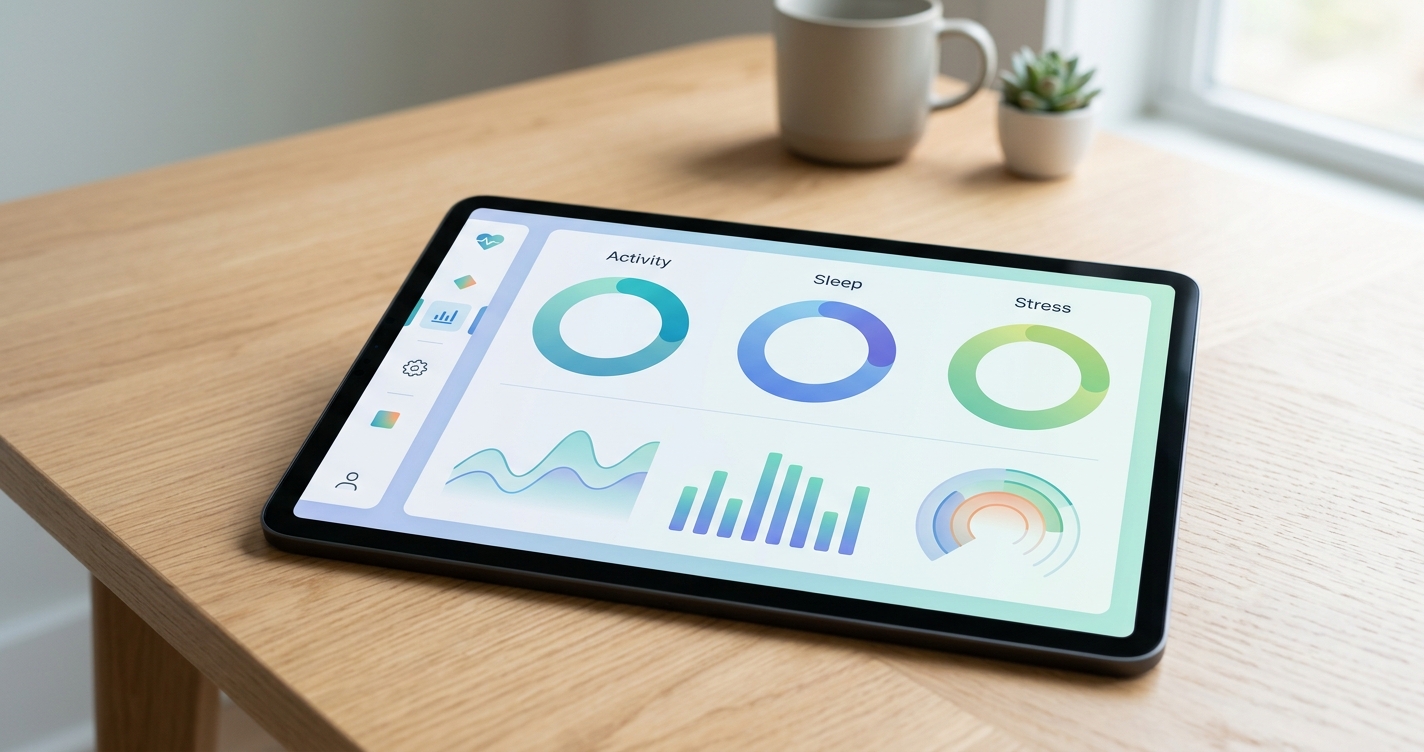
The operational pressures facing senior care organizations have fundamentally altered how communities approach resident safety and care delivery. Staffing shortages, rising acuity levels, and a growing consumer preference for aging at home have rendered traditional reactive care models insufficient. Today, senior living health monitoring is no longer a luxury amenity. It is a structural necessity for operators seeking to maintain high occupancy, improve health outcomes, and protect operating margins. The integration of continuous, automated observation allows care teams to transition from simple crisis response to proactive medical intervention. This shift changes the economics and the baseline quality of senior care.
For decades, the standard of care relied heavily on manual spot checks and emergency call systems. These methods are inherently flawed because they depend on overextended nursing staff or rely on the residents themselves to trigger an alarm during an emergency. By deploying modern continuous monitoring infrastructure, operators can capture a comprehensive picture of resident health status 24 hours a day.
"Remote patient care programs and continuous health monitoring Support independence. Offer a dramatic return on investment, achieving up to a 50 percent reduction in 30 day readmission rates for critical chronic conditions while significantly lowering overall healthcare costs." "IntuitionLabs, Remote Patient Monitoring in the United States Landscape Report (2024)"
Evaluating senior living health monitoring platforms
When evaluating new technology, senior housing operators must look far beyond basic vital sign tracking. A modern operator monitoring platform needs to integrate smoothly into existing clinical workflows without demanding additional labor hours from an already strained nursing staff. Traditional approaches relied heavily on resident compliance. They asked older adults with physical or cognitive challenges to charge devices, wear heavy pendants, or actively record their blood pressure and heart rate.
Today, continuous observation technology emphasizes passive collection. By utilizing ambient sensors or camera based vital sign analysis, facilities can gather continuous data on heart rate, respiratory rate, and sleep quality without requiring any active participation from the resident. This non intrusive approach eliminates the compliance friction that typically limits the effectiveness of smartwatches and wearables in assisted living environments.
When analyzing available systems, procurement teams should prioritize three core criteria:
- Passive Data Collection: The system must function entirely in the background, completely removing the need for physical wearables, manual button presses, or direct resident interaction.
- Workflow Integration: Health alerts must be actionable and highly filterable to prevent alarm fatigue among floor staff and overnight clinical teams.
- Scalability: The hardware and software infrastructure must easily deploy across multiple units or distinct geographic properties without requiring massive IT network overhauls.
As the industry shifts toward higher acuity care in residential settings, relying on episodic data collection is a major operational risk. Continuous, passive tracking provides a safety net that protects both the resident from adverse health events and the operator from potential liability.
| Feature / Technology | Traditional Panic Buttons | Wearable Trackers (Smartwatches) | Contactless Health Monitoring |
|---|---|---|---|
| Resident Compliance Required | High (Must locate and press) | Medium (Must wear and charge) | None (Passive ambient tracking) |
| Data Continuity | Reactive (Incident only) | Intermittent (Removed for bathing) | Continuous (Whenever in view) |
| Memory Care Suitability | Poor (Often forgotten) | Poor (High removal rate) | Excellent (No interaction needed) |
| Staff Workflow Impact | High disruption (Emergency) | Moderate (Device management) | Low (Automated digital alerts) |
| Predictive Capabilities | None | Limited | High (Identifies daily trends) |
Cross continuum industry applications
Deploying senior community monitoring systems effectively requires adapting the technology to specific care environments. What works for an independent living resident managing their own schedule may not apply to specialized memory care or highly regulated home health environments.
Assisted living communities
In assisted living, residents frequently transition from low acuity to higher care needs over time. Continuous health monitoring for assisted living allows operators to establish a highly personalized physiological baseline for each individual resident. When respiratory rates or sleep patterns deviate from this baseline, the platform alerts nursing staff early. This allows for simple medical intervention on site before an acute episode necessitates a costly emergency department transfer.
Memory care units
For residents living with Alzheimer's disease or other forms of dementia, traditional monitoring tools fail because cognitive decline prevents consistent device usage. Non intrusive monitoring is absolutely critical in these units. Camera based passive systems track restfulness, motion, and vital signs without causing agitation. This enables staff to monitor resident health tracking safely and accurately during the night without opening doors, turning on lights, and disrupting crucial sleep cycles.
PACE Programs
Programs of All Inclusive Care for the Elderly (PACE) manage highly complex patients who live in their own homes but require comprehensive care. Because PACE programs operate under capitated risk models, preventing hospitalizations is directly tied to their financial viability. PACE programs use contactless monitoring to bridge the gap between day center visits. By having a continuous stream of physiological data from the home, care teams can detect early signs of exacerbations in chronic conditions like congestive heart failure or COPD, successfully avoiding hospital admissions.
Home health agencies
Home health nurses manage large caseloads across wide geographic territories. Between scheduled visits, clinical teams have virtually no visibility into a patient's condition. By implementing contactless operator monitoring platforms in the home, agencies can track recovery progress after a hospital discharge. The continuous data stream helps agencies meet strict regulatory reporting requirements and ensures that limited nursing resources are directed toward patients showing objective signs of decline.
Current research and evidence
The clinical and economic justification for passive monitoring is strongly supported by recent academic literature and industry market analysis. A 2023 scoping review published by Cambridge University Press in Ageing and Society emphasized that older adults conceptualize monitoring technologies in emotional terms. Specifically, they value the peace of mind it affords them and their distant caregivers. However, the study noted that perceived ease of use is a primary predictor of adoption, highlighting the strict limitations of complicated traditional systems that require resident configuration.
Further, a 2024 mixed methods study published in JMIR Aging analyzed the adoption of smart home connected care systems. The researchers found that while passive monitoring increases independence and reduces caregiver burden, adoption is frequently hindered by concerns over setup complexity and device reliability. Systems that bypass these hurdles, such as contactless, camera based observation, see far higher continuous utilization rates because the user experience is entirely frictionless.
From an economic perspective, 2024 industry data gathered by IntuitionLabs regarding remote patient monitoring indicates massive operational savings for care networks. Their analysis demonstrates that passive health tracking and remote patient care programs reduce average total healthcare costs by over $1,300 per patient annually. This cost reduction is driven largely by massive reductions in hospital readmissions, which fall by 50 to 85 percent when continuous home monitoring is properly implemented.
The future of senior living health monitoring
The trajectory of aging in place technology points squarely toward complete automation and advanced predictive analytics. As the global smart home elder care market scales, projected to reach $42.6 billion by 2034 according to Dataintelo, the industry focus will shift from simply capturing health data to actively interpreting it.
Future iterations of operator monitoring platforms will rely entirely on ambient, contactless observation. Machine learning algorithms will automatically synthesize subtle shifts in nighttime breathing patterns, resting heart rates, and daily mobility. These systems will flag potential respiratory infections, urinary tract infections, or cardiac events days before obvious clinical symptoms appear. For senior living operators, this means running a leaner, more efficient organization where staff time is strictly allocated to high value, direct resident care rather than manual vital sign collection or administrative charting.
The successful communities of the next decade will be those that integrate these invisible support systems seamlessly into their physical architecture, providing maximum safety with minimal intrusion.
Frequently asked questions
What is senior living health monitoring? It is the strategic use of digital technology, ranging from traditional wearables to advanced contactless ambient sensors, to continuously track the physiological data of older adults in care communities or private homes.
Why is non intrusive monitoring preferred for memory care? Residents with dementia often experience agitation or confusion when forced to interact with wearable devices and will frequently remove them. Non intrusive, camera based tracking operates completely in the background, requiring zero resident compliance while still delivering continuous, clinical grade health data.
How does passive health tracking reduce staff burden? By automatically collecting and logging vital signs into a centralized digital dashboard, these platforms eliminate the manual, room by room vital checks historically performed by nursing aides. This allows limited clinical staff to focus entirely on direct resident care.
Can remote monitoring systems integrate with existing care plans? Yes. Modern monitoring platforms are designed to flag deviations from a resident's historical baseline, allowing care teams to update individualized care plans dynamically based on objective, continuous health data rather than subjective visual observation alone.
As senior care organizations look to the future, reducing hospital readmissions and optimizing staff efficiency require advanced, frictionless technology. Circadify is actively addressing this space with innovative solutions that eliminate the need for wearables and manual tracking entirely. By deploying non intrusive, camera based observation, operators can secure continuous health data that empowers proactive care and protects operating margins. To learn more about implementing these advanced monitoring strategies in your community, explore our comprehensive solutions for a hospital at home program and discover how continuous vital sign data transforms clinical outcomes.