Why won't my elderly mom wear the health tracker we bought her?
Frustrated that an elderly parent refuses to wear a health tracker? Discover the real reasons for wearable abandonment, from device burden to discomfort, and learn how camera-based monitoring can help.
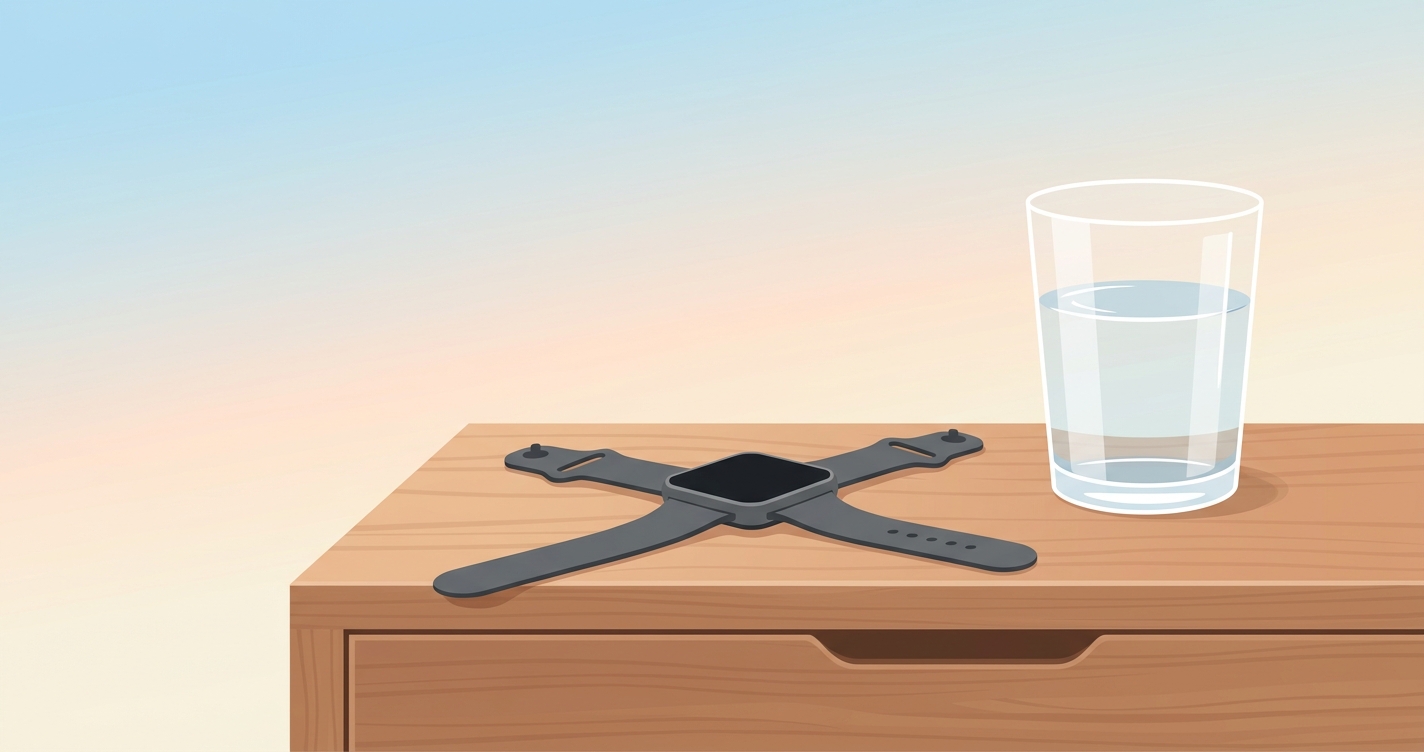
It is a scenario familiar to millions of family caregivers and senior living staff: a new health tracking watch or pendant, purchased with the best intentions, ends up sitting on a nightstand. The frustration that follows is understandable, but the conclusion that the senior is simply being stubborn is often incorrect. The issue is rarely defiance. Instead, it is a rational response to the cumulative burden of wearing, charging, and interacting with a device that may be uncomfortable, confusing, or stigmatizing. When seniors refuse to wear a health tracker, they are often making a choice based on legitimate daily friction points.
"A 2020 study focusing on older adults found that long-term, sustained use of wearables was the exception, not the rule. Many former users reported that their initial use was driven by curiosity rather than a desire to change their health behaviors."
- Puri, A., Kim, B., & La Scola, K., JMIR mHealth and uHealth (2020)
The device burden: why seniors refuse to wear health trackers
The underlying reasons for wearable abandonment are a critical concern for caregivers and healthcare providers who rely on consistent data. Understanding these factors reframes the problem from one of user non-compliance to one of device unsuitability. Research from academic and industry sources points to a consistent set of challenges that lead seniors to stop using trackers.
A primary factor is physical discomfort. Many devices, even those marketed toward seniors, can cause skin irritation with 24/7 use. Straps made of silicone or plastic can trap moisture and lead to rashes, a significant issue for older adults with more fragile skin. The bulk and weight of a device, particularly during sleep, are also common complaints.
Beyond physical factors, the cognitive and logistical burdens are substantial. A device that needs daily or frequent charging introduces a new, and easily forgotten, task into a senior's routine. Forgetting to charge the device leads to data gaps, which can cause anxiety for both the user and their caregivers. The process of syncing the device with a smartphone, navigating an application with a small font, and interpreting the data presents another significant hurdle. A 2024 study by Wiesent et al. published in the Gerontechnology journal highlighted that the perceived complexity of interpreting wearable outputs is a major deterrent for older adults.
Finally, psychological and social factors play a crucial role. For many, wearing a visible health monitor can feel like a label of frailty or a loss of independence. This sense of being "tracked" can be disempowering. When the perceived value of the data does not outweigh these physical, cognitive, and emotional costs, abandonment is the logical outcome.
| Feature | Wearable-Based Monitoring | Contactless Camera-Based Monitoring |
|---|---|---|
| User Compliance | Requires active participation (wearing, charging) | Passive; no action required from the senior |
| Data Consistency | Prone to gaps from non-wear or dead batteries | Continuous and reliable, capturing data daily |
| Comfort & Skin Integrity | Potential for skin irritation, discomfort | Zero physical contact, no skin issues |
| Charging Burden | Requires daily or weekly charging routine | None; system is professionally installed |
| Usability | May require smartphone app, syncing, and tech literacy | Data is automatically processed and sent to caregivers |
| Stigma | Can be a visible marker of being "monitored" | Invisible and non-intrusive within the environment |
Industry applications: solving the compliance problem
The high abandonment rate of wearables is not just a family frustration; it is a critical operational challenge for professional care providers.
For senior living operators
In an independent or assisted living environment, operators need reliable data to monitor resident wellness and identify early signs of health decline. When residents refuse to wear community-provided trackers, it creates significant data gaps and undermines the entire monitoring initiative. Staff are left trying to chase down residents or reverting to time-consuming manual checks. Non-intrusive, camera-based systems that require no resident action provide a solution that captures consistent health data across an entire population, regardless of individual technology preferences.
For home health agencies
Home health nurses rely on accurate vitals to manage patient care plans, especially for those with chronic conditions. If a patient is not consistently wearing their monitoring device, the agency cannot gather the trend data needed for effective remote patient monitoring or to meet OASIS reporting requirements. A system that works in the background ensures this data is available without adding another task to the patient's plate, improving the quality of care and operational efficiency.
For family caregivers
The core desire is peace of mind. Knowing a parent is okay is the primary goal. The conflict and nagging that can arise from a wearable device detracts from this. When a senior refuses to wear a health tracker, it creates more anxiety, not less. A contactless solution provides the key health insights a family needs, is mom up and about, is her respiratory rate stable, without causing friction or making a parent feel like they are losing their autonomy.
Current research and evidence
The challenge of wearable adoption among older adults is well-documented. The 2020 focus group study by Puri, Kim, and La Scola in JMIR mHealth and uHealth provided qualitative insights, finding that "long-term users had developed a habit of tracker use... whereas former users indicated that their use was driven by curiosity." This highlights a key disconnect: many seniors are not intrinsically motivated to become "data-driven" patients.
Further research highlights the importance of passive, ambient monitoring. Studies on aging-in-place technology consistently find that the most successful solutions are those that integrate seamlessly into the user's environment and require little to no behavior change. The value is not in the device itself, but in the actionable insights it provides to caregivers and clinicians with zero burden on the senior.
The future of senior health monitoring
The industry is moving away from the expectation that seniors must adapt to technology and toward the principle that technology must adapt to seniors. The future is not a more comfortable watch; it is an intelligent environment. Ambient sensing and camera-based monitoring represent the next logical step, offering a way to gather more consistent and reliable health data without requiring the user to wear, charge, or interact with a device. This approach respects the senior's independence while providing a powerful safety net for families and professional care providers.
Frequently asked questions
Is my parent just being difficult by refusing to wear a health tracker? Usually, no. The refusal is often a reaction to real issues like physical discomfort from the strap, the hassle of remembering to charge it, or the feeling of being "tracked." These are valid concerns that create a "device burden."
What kind of health information can be gathered without a wearable? Advanced camera-based systems can measure key vital signs like resting heart rate, respiratory rate, and sleep duration. They do this by detecting subtle, algorithmically-analyzable changes in skin pixels and chest movements from a video feed, requiring no contact.
Isn't it easier to just find a more comfortable wearable? While some devices are more comfortable than others, any wearable still requires active participation from the user. It must be worn correctly, charged regularly, and kept in good condition. For many seniors, especially those with cognitive decline or a desire for less complexity, any device is one device too many.
The challenge of monitoring an aging parent's health is real, but the solution does not have to involve a daily battle over a wearable device. By focusing on the senior's comfort and independence, new technologies can provide peace of mind for families and better data for providers. Circadify is at the forefront of this shift, developing non-intrusive, camera-based solutions that deliver critical health insights without the burden. To learn more about implementing a zero-compliance monitoring program, explore our solutions for senior care programs.