Senior Living Health Monitoring in 2026: What Operators Are Deploying Now
A research-style report on the senior living health monitoring technologies operators are deploying now to prepare for 2026's challenges.
The senior living industry is navigating a period of profound change, driven by rising resident acuity, persistent staffing shortages, and the growing expectations of residents and their families. In response, operators are no longer viewing technology as a luxury but as a core component of their operational and care delivery strategy. The focus has shifted from reactive, emergency-based tools to proactive, data-driven platforms that provide a continuous and comprehensive view of resident well-being. This transition is setting the stage for the next generation of senior care, with forward-thinking organizations making key investments today to prepare for the demands of 2026 and beyond.
"85% of respondents felt the most important benefit of any technology platform is its ability to provide personalized care and engaging experiences." - iN2L + LifeLoop, "The State of Engagement and Technology in Senior Living," 2023
The new standard of care: what senior living health monitoring 2026 operators are deploying
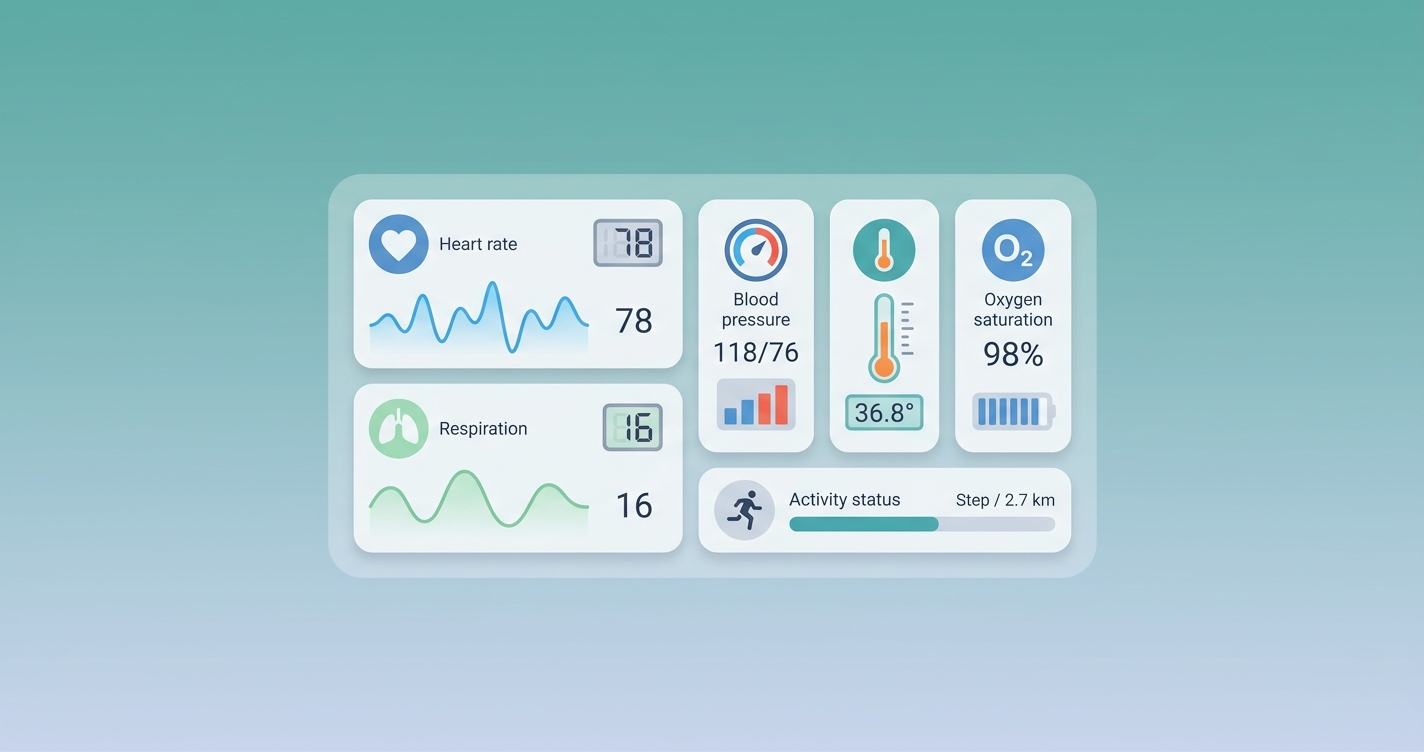
The deployment of advanced health monitoring technology is accelerating as operators seek to gain a competitive edge and improve resident outcomes. The core of this evolution lies in the shift from episodic, manual data collection to continuous, passive monitoring. Platforms that use ambient sensing, artificial intelligence, and remote vital sign measurement are becoming the new standard. These systems work in the background, gathering critical health data without requiring active participation from residents or staff, overcoming the significant compliance challenges seen with wearable devices.
Operators are deploying these technologies to create a predictive and preventive care model. By analyzing trends in vital signs, mobility, sleep patterns, and daily activity levels, providers can identify early warning signs of health deterioration, such as an impending fall, a developing infection, or the exacerbation of a chronic condition. This early detection enables timely intervention, reducing the likelihood of emergency department visits and hospitalizations, which are costly and disruptive for residents. The market for these technologies is expanding rapidly, with a Grand View Research report projecting the senior living technology market to reach $10.2 billion by 2030, reflecting this industry-wide push for innovation.
Comparison of monitoring technologies
| Feature | Wearable-Based Monitoring | Contactless Camera-Based Monitoring |
|---|---|---|
| Data Collection | Requires resident to wear a device (watch, pendant, etc.). | Passively collects data via room-mounted optical sensors. |
| Resident Compliance | Often low; devices can be forgotten, removed, or refused. | 100% passive; no action required from the resident. |
| Vital Signs Measured | Heart rate, activity, sometimes SpO2, sleep (variable). | Respiratory rate, heart rate, sleep duration, motion. |
| Fall Detection | Accelerometer-based; can generate false positives/negatives. | Detects falls via positional analysis; can add context. |
| Privacy Concerns | Data privacy is a concern, but device is personal. | Requires clear policies and resident consent; video is not stored. |
| Implementation | Device distribution, training, and replacement. | Sensor installation and network integration. |
Industry Applications
The application of this technology varies by the level of care and the specific needs of the resident population.
Independent Living
In independent living settings, the primary goal of health monitoring is to support resident autonomy and provide peace of mind for families.
- Early Warning System: Subtle changes in activity or sleep patterns can alert staff to potential issues before they become acute.
- Safety and Security: Fall detection and automatic alerts ensure a rapid response without requiring the resident to press a button.
- Promoting Wellness: Data can be used to encourage healthy habits and provide residents with insights into their own well-being.
Assisted living and memory care
For residents requiring more support, monitoring technology becomes a critical tool for care coordination and risk management.
- Chronic Condition Management: Continuous monitoring of vital signs helps staff manage conditions like heart failure, COPD, and diabetes more effectively.
- Medication Efficacy: By observing changes in a resident's data following a medication adjustment, care teams can better assess its impact.
- Dementia Care: In memory care units, passive monitoring helps track wandering behavior, sleep disturbances, and agitation, providing valuable information for care planning without intrusive check-ins. A 2023 report from iN2L + LifeLoop found that 69% of senior care leaders believed technology improved their community's overall quality of care, a figure especially relevant in high-acuity settings.
PACE Programs
Programs of All-Inclusive Care for the Elderly (PACE) are at the forefront of using technology to manage complex medical needs in the community. For these programs, remote monitoring is not just an add-on but a fundamental part of a capitated, at-risk care model. By using contactless monitoring in participants' homes, PACE organizations can extend their reach, reduce reliance on costlier in-person visits, and prevent emergency situations that would otherwise lead to hospitalization.
Current research and evidence
The push towards technology-enabled care is supported by a growing body of evidence. Research has consistently shown that remote monitoring can lead to better health outcomes for older adults. A study by researchers at the University of California, San Francisco (2021) demonstrated that remote monitoring programs were associated with a significant reduction in hospital readmissions for patients with heart failure.
Furthermore, industry reports highlight the strategic importance of this shift. The "Senior Living 2023: The State of Engagement and Technology" report by iN2L + LifeLoop revealed that 79% of executives reported staffing shortages impacted their ability to provide personalized care. This finding highlights how technology is becoming a crucial force multiplier, allowing strained staff to focus their attention where it is needed most. The same report noted that 84% of leaders with a comprehensive enterprise technology platform considered it either 'very' or 'extremely' important, signaling a clear consensus on the strategic necessity of integrated systems.
The future of senior living health monitoring
Looking toward 2026, the trajectory is clear: health monitoring will become more integrated, intelligent, and invisible. The future lies in the fusion of data from various sources, contactless sensors, electronic health records, and pharmacy data, to create a holistic and predictive picture of resident health. AI and machine learning will play an increasingly important role, not just in detecting anomalies but in predicting them. As these systems become more sophisticated, they will evolve from being alert-based tools to becoming true care-planning partners, suggesting interventions and personalizing care pathways based on a deep understanding of each individual's health trajectory.
Frequently asked questions
What is the main difference between active and passive health monitoring? Active monitoring requires the senior to take action, like putting on a wearable device or using a blood pressure cuff. Passive monitoring uses ambient sensors, such as cameras or motion detectors, to gather data automatically without resident involvement, leading to higher compliance.
How is resident privacy protected with camera-based monitoring? Privacy is a primary concern. Leading camera-based systems are designed to prioritize it. They use optical sensors that process data at the edge, meaning they extract vital sign information and other metrics without storing or transmitting video footage. The system only generates anonymized data points and alerts.
Do these monitoring systems replace the need for care staff? No. These systems are designed to augment care staff, not replace them. By automating data collection and providing early warnings, the technology allows nurses and aides to work more efficiently and proactively, focusing their time on direct resident care and high-level clinical decision-making.
As the industry moves towards more integrated and intelligent systems, the insights gained from continuous monitoring are becoming essential for proactive care. Circadify is at the forefront of this transformation, developing solutions that address the core challenges of senior care. To learn more about how this technology is being applied in advanced care models, explore our Senior care program.