What Is the ROI of Health Monitoring in Senior Living?
Analyzing the return on investment for health monitoring in senior living, including financial, operational, and clinical benefits for operators and residents.
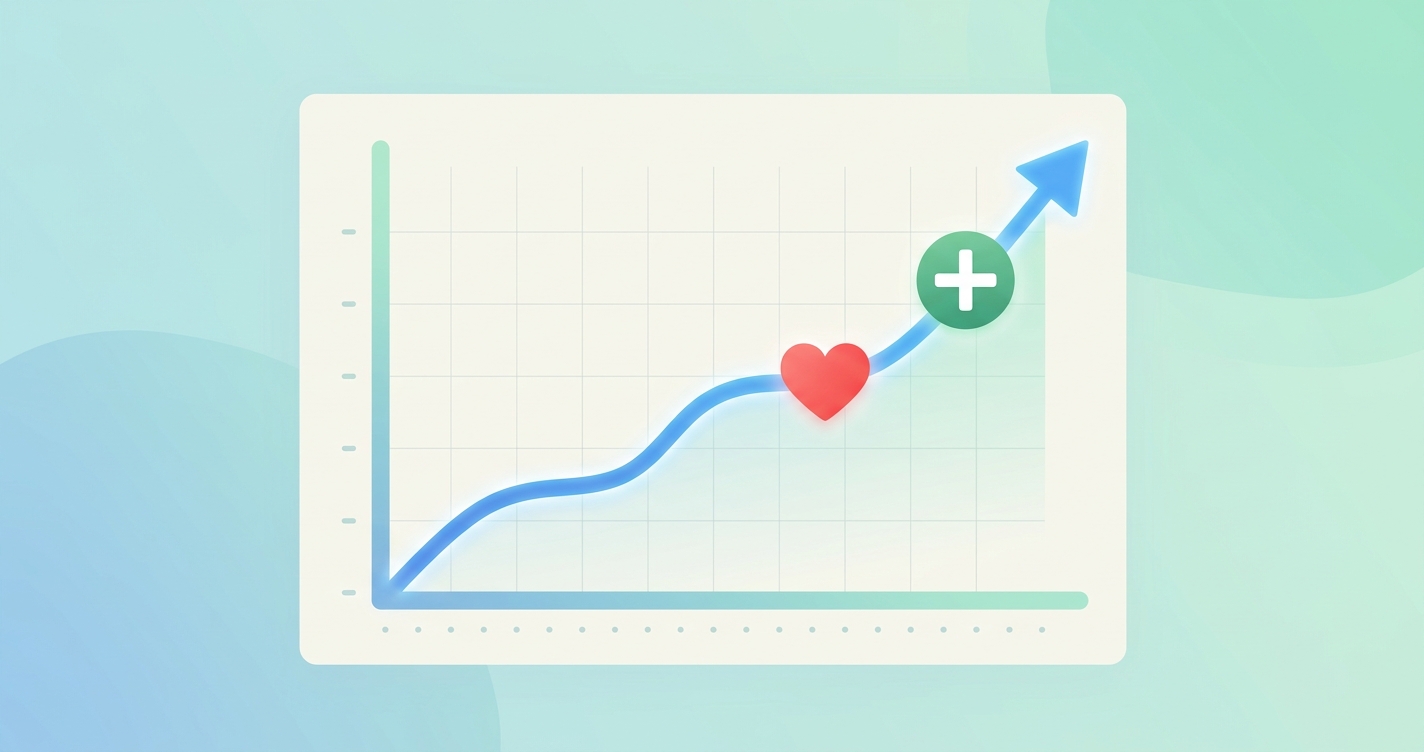
The conversation around technology in senior living has shifted from a novelty to a core business strategy. As operators navigate rising acuity, staffing shortages, and evolving resident expectations, the need for data-driven decision-making has never been more acute. While the immediate goal of health monitoring is to improve resident well-being, the long-term viability for providers depends on a clear and compelling return on investment (ROI). Understanding the ROI of health monitoring in senior living requires a comprehensive analysis that extends beyond simple device costs to include operational efficiencies, risk reduction, and new revenue opportunities.
"Remote patient monitoring programs have shown a significant return on investment, with some studies reporting returns of 22.2% or higher, and typical ROIs of 3x-5x the investment." - HealthArc (2024)
The financial case for ROI in senior living health monitoring
The primary driver for adopting any new technology in a senior living environment is its ability to positively impact the bottom line while enhancing care quality. The ROI of health monitoring in senior living is not a single number but a composite of several interconnected financial and operational benefits. The most significant of these is the reduction of hospital readmissions. Research has shown that remote patient monitoring can reduce hospital readmissions by as much as 50% for chronic conditions. Given that the average cost of a hospital readmission can exceed $15,000, preventing just a few of these events per year can translate into substantial savings for both the healthcare system and the senior living facility, which often bears indirect costs related to reputation and resident turnover.
Another key financial metric is the reduction in emergency department (ED) visits. Many ED visits from senior living communities are for conditions that could have been managed proactively with earlier detection. Health monitoring systems that track daily vital signs and trends can provide the early warnings needed to intervene before a situation becomes critical. Some studies suggest that remote monitoring can reduce ER visits by up to 51%. This Saves on transport and hospital costs. Avoids the significant disruption and stress that an ER visit places on a senior resident.
Beyond cost avoidance, health monitoring platforms can generate direct revenue. In the United States, Medicare has established CPT codes (99453, 99454, 99457, 99458) that allow providers to bill for the time spent on remote patient monitoring activities. This creates a direct path to ROI, with potential monthly revenue per participating resident. For a community with a significant number of eligible residents, this can create a new, stable revenue stream that offsets the cost of the monitoring technology and contributes to overall profitability.
Comparing health monitoring approaches
The method of data collection significantly impacts operational workflow, resident adoption, and the type of data that can be gathered. Senior living operators must weigh these factors when evaluating monitoring solutions.
| Feature | Wearable-Based Systems | Manual Spot-Checks | Contactless Camera-Based Systems |
|---|---|---|---|
| Data Frequency | Continuous or frequent | Intermittent, often once per shift | Continuous or on-demand |
| Resident Burden | Requires wearing, charging, and syncing | Requires physical presence and cooperation | None; fully passive |
| Staff Workflow | Responding to alerts, managing devices | Manual data entry, scheduled rounds | Reviewing trend data, responding to alerts |
| Adoption Risk | High; residents may forget or refuse | Medium; dependent on staff availability | Low; no resident action required |
| Data Richness | Can include activity, sleep, some vitals | Limited to specific vitals at one point in time | Heart rate, respiratory rate, movement, presence |
| Primary ROI Driver | Alert-based intervention | Basic regulatory compliance | Trend analysis, early detection, efficiency |
Key benefits driving ROI
The financial models for health monitoring are built on a foundation of tangible benefits that compound over time.
- Reduced Hospitalizations: Early detection of negative trends in vital signs such as heart rate, respiratory rate, and blood pressure allows for proactive intervention, preventing the need for acute care transfers.
- Improved Staff Efficiency: Automating the process of vital sign collection frees up nursing staff from a time-consuming manual task. This allows them to focus on higher-value clinical activities, improving job satisfaction and resident care.
- Enhanced Resident Safety: Continuous monitoring can detect potential emergencies, such as a sudden change in vital signs, that might otherwise go unnoticed between manual checks, especially overnight.
- Lower Staff Turnover: By providing better tools to manage resident care, health monitoring systems can reduce the stress and burnout often associated with frontline caregiving, contributing to higher staff retention. A 2022 study by the National Center for Assisted Living highlighted staffing as the top challenge for operators.
- Increased Occupancy and Revenue: A reputation for using advanced technology to ensure resident safety and wellness is a powerful marketing tool. It can attract prospective residents and justify premium pricing, leading to higher occupancy rates and increased revenue.
Industry Applications
The application of health monitoring varies by the specific needs of the care environment.
Assisted and independent living
In these settings, the ROI of health monitoring senior living is driven by promoting independence and ensuring safety. The technology provides a safety net, allowing residents to live more freely while giving staff and families peace of mind. The ability to detect subtle changes in a resident's daily routine or vital signs can indicate the early onset of illness or a change in condition, triggering a wellness check or a non-emergency intervention. This prevents minor issues from escalating.
Memory Care
For residents with dementia, traditional monitoring methods are often impractical. Wearables are frequently removed, and manual checks can cause agitation. Contactless monitoring offers a solution by gathering health data without any physical interaction. Tracking agitation, sleep patterns, and nighttime activity can provide valuable insights for care planning and medication management, directly impacting the quality of care and resident stability.
PACE Programs
Programs of All-Inclusive Care for the Elderly (PACE) operate on a capitated payment model, meaning they assume full financial risk for the care of their participants. For these organizations, the ROI of health monitoring senior living is exceptionally clear. Preventing a single hospitalization or long-term nursing home placement directly translates to significant cost savings, making proactive, data-driven care an essential strategy.
Current research and evidence
The efficacy of health monitoring in senior care is supported by a growing body of research. A study published in the Journal of the American Medical Directors Association by researchers from the University of Missouri (2019) found that sensor-based monitoring systems in assisted living facilities were able to detect early signs of illness, leading to earlier treatment. Another analysis by Grand View Research in 2023 projected the global remote patient monitoring systems market to expand significantly, driven by the demand for better chronic disease management in the aging population. The core finding across multiple studies is that consistent, longitudinal health data is a powerful predictor of adverse events. Researchers at the University of California, San Francisco (UCSF) have emphasized the importance of trend data over single-point-in-time measurements, a key feature of automated monitoring systems.
The future of ROI in senior care monitoring
The future of health monitoring in senior living will be defined by greater integration and predictive analytics. As systems gather more data, machine learning algorithms will become more adept at identifying complex patterns that are invisible to the human eye. This will shift the paradigm from early detection to true prediction, allowing providers to anticipate which residents are at the highest risk for events like falls or hospitalizations. The ROI will be measured not just in costs saved, but in events that never happened. Furthermore, integration with electronic health records (EHRs) and other facility management software will streamline workflows and provide a holistic view of resident health, further amplifying the operational efficiencies that drive a positive return on investment.
Frequently asked questions
What is the typical upfront cost of a health monitoring system? The cost varies widely based on the type of technology (wearables, contactless, etc.) and the size of the community. Many vendors are moving to a subscription-based model (per resident, per month), which lowers the initial capital expenditure and aligns costs with operational budgets.
How do you get staff and residents to adopt new technology? Successful adoption hinges on demonstrating clear benefits. For staff, the focus should be on workflow simplification and time savings. For residents, it's about enhancing safety and independence without being intrusive. Contactless solutions often have the highest adoption rates as they require no change in resident behavior. A study by AARP in 2021 found that 77% of older adults want to remain in their homes, and technology is a key enabler for this preference.
Can you bill for remote monitoring in a senior living facility? Yes, under certain conditions. Medicare's CPT codes for Remote Physiologic Monitoring (RPM) can be used for eligible residents, creating a direct revenue stream. However, this requires the provider to have a clinical structure in place to manage the data and provide the requisite minutes of care management.
The landscape of senior care is evolving, and operators who use technology to its fullest potential will be best positioned for success. By focusing on a data-driven approach to care, senior living communities can achieve a strong ROI health monitoring senior living, improving both their financial health and the well-being of the residents they serve. As a leader in non-intrusive monitoring, Circadify is actively developing solutions to address this critical need in the market. Learn more about our vision for the future of senior care at circadify.com/solutions/hospital-at-home.